

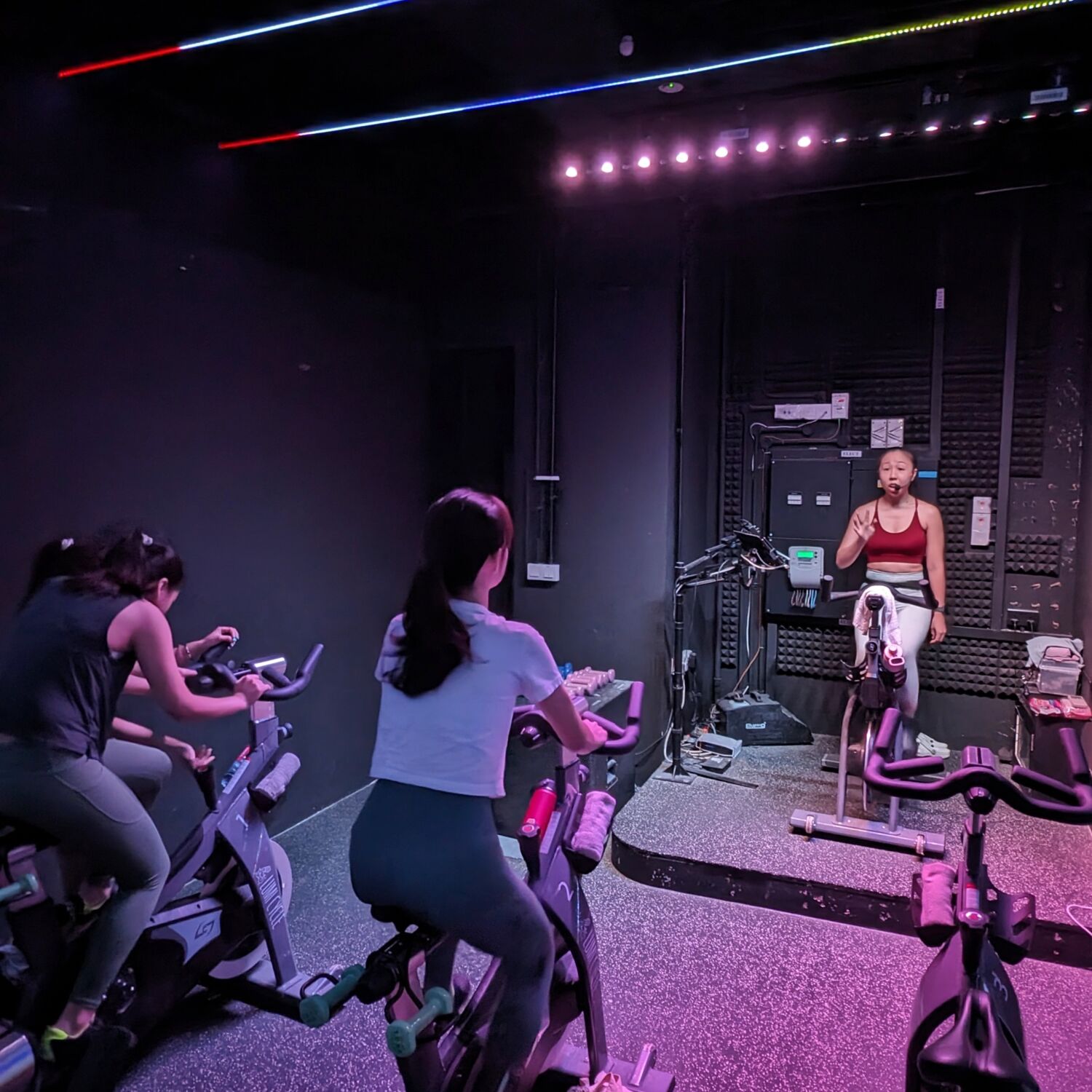
A class timetable can look perfect until travel is added.
A forty-five-minute ride may require a much larger block once the journey, changing time and return trip are included. This is why location should be one of the first considerations when choosing spinning classes in Singapore.
The best class is not simply the one with the most exciting description. It is the one a participant can reach consistently without turning every session into a logistical problem.
Straight-Line Distance Can Mislead
A studio may appear close on a map while requiring inconvenient transfers or a long unsheltered walk.
Singapore’s transport network is extensive, but the complete journey still matters.
Participants should examine:
- MRT connections
- Bus frequency
- Walking distance
- Shelter
- Peak-hour crowding
- Building access
- Lift waiting time
- Distance from the station exit
A small difference on the map can create a meaningful difference in actual travel time.
Home and Work Locations Serve Different Routines
A studio near the office may be ideal for lunchtime or after-work classes.
A location near home may work better for weekends and early mornings.
The right choice depends on when the participant genuinely expects to train.
Someone working hybrid hours may benefit from access to multiple locations rather than selecting one studio based on a fixed office routine.
The decision should reflect ordinary weeks, not an unusually motivated trial period.
Singapore Weather Affects the Final Walk
Heat, humidity and sudden rain can make the journey more demanding.
A ten-minute unsheltered walk may leave a participant sweating before the warm-up. Heavy rain can also cause delays and wet footwear.
Useful location features include covered connections, nearby MRT access and straightforward building entry.
The indoor class may be climate controlled, but the journey is part of the experience.
Peak Travel Time Changes Convenience
A route that takes twenty minutes on Sunday may require much longer after work.
Participants should test the journey during the actual period when they intend to attend.
This includes the return trip. A convenient pre-class route may become difficult if late-evening transport frequency is lower.
Consistency depends on realistic travel information.
The Commute Can Affect Training Quality
Arriving after rushing through crowded transport may raise stress before the class begins.
Late arrival also reduces setup time. The rider may choose a bike quickly, skip adjustment checks and begin the warm-up distracted.
A well-located studio provides enough margin for the participant to arrive, change and prepare calmly.
Location therefore influences more than attendance. It can influence the quality of the ride.
Nearby Food Matters
Meal timing can become difficult around evening classes.
A location with practical food options may help participants eat before or after training without relying on random snacks.
The ideal meal does not need to be marketed as fitness food. Rice, noodles, soup, eggs, fish, chicken, tofu and vegetables can all support recovery.
Participants should consider whether nearby options remain open when the class ends.
Changing and Shower Facilities Add Time
A location near work may still be impractical if changing facilities are crowded.
Participants should assess:
- Locker availability
- Shower capacity
- Towel arrangements
- Hair-drying facilities
- Space for work clothing
- Queue time
- Whether toiletries are provided
These operational details influence how easily the class fits before work, during lunch or between appointments.
Location Matters More During Short Visits
Travellers may have limited time in Singapore.
A class located near their hotel or planned activity is easier to integrate. Crossing the city solely for one workout may consume time better used elsewhere.
Visitors should also check building navigation because some gyms sit inside large commercial developments.
Arriving early reduces the risk of missing setup instructions.
Multi-Location Access Can Reduce Missed Sessions
People do not always finish the day where they started it.
A member may work in one area, attend meetings elsewhere and return home through another route. Access to several facilities can preserve flexibility.
Members considering True Fitness Singapore can examine which available locations fit their real weekly movements rather than choosing solely on headline proximity.
The value depends on whether the locations connect with places the person already visits.
Class Availability Still Matters
A convenient studio is not useful if suitable classes are never available at the needed time.
Participants should evaluate location and timetable together.
Questions include:
- Are classes offered before work?
- Are peak sessions difficult to book?
- Is there a waiting list?
- How late can bookings be cancelled?
- Are the preferred instructors available?
- Do weekend times suit the routine?
Convenience is the combination of access and availability.
Test the Full Journey During a Trial
A trial session should begin when the participant leaves home or work, not when they enter the studio.
Record the realistic door-to-door time. Include changing, setup, class, shower and return travel.
This reveals whether the routine can survive busy weeks.
A slightly less convenient class may still be worthwhile, but the trade-off should be understood before committing.
Avoid Choosing Only for Atmosphere
A stylish studio can make a strong first impression. Long-term attendance usually depends more on convenience, timetable and service reliability.
The most exciting class is of limited value when reaching it requires repeated schedule disruption.
Location is not the only factor, but it influences how often every other benefit can be used.
The Best Location Reduces Friction
Fitness consistency often fails through small operational barriers rather than lack of intention.
A difficult interchange, an unsheltered walk or an inconvenient shower queue adds friction. Repeated often enough, that friction changes behaviour.
A good location does not need to be beside the participant’s front door. It needs to fit naturally into a route they already make.
Frequently Asked Questions
Should I choose a spin studio near home or work?
Choose the location that best fits when you realistically plan to attend. Hybrid workers may benefit from multiple locations.
How early should I arrive for a class?
Allow enough time for building access, changing and bike setup. First-time riders generally need additional time.
Does MRT proximity guarantee convenience?
No. Station exits, walking distance, transfers and building navigation also affect the journey.
Are multi-location memberships useful?
They can be valuable when your weekly routine covers several parts of Singapore, but only if the locations and class times are practical.
What should I test during a free trial?
Evaluate the complete door-to-door journey, facilities, booking experience, setup support and return travel.