

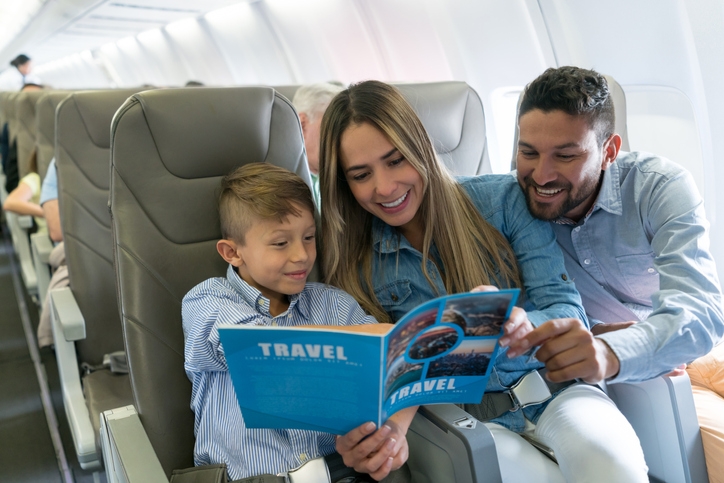
In today’s fast-paced world, daily routines often pull family members in different directions. Work commitments, school schedules, extracurricular activities, and constant digital distractions leave precious little time for meaningful interaction. Family travel serves as a powerful antidote to this modern disconnection. Stepping away from familiar environments and daily obligations creates a dedicated space for parents, children, and extended family members to reconnect, communicate, and build lasting relationships.
Traveling together offers far more than a simple break from routine. It provides a unique landscape where shared challenges, new cultural encounters, and collaborative experiences strengthen family ties in ways that daily life at home rarely allows.
Breaking Away from Daily Routines and Distractions
At home, daily responsibilities create predictable patterns. Parents focus on chores, meal prep, and job demands, while children remain engrossed in schoolwork, sports, and screen-based entertainment. This routine can quietly reduce meaningful conversations to quick surface-level exchanges about schedules and logistical tasks.
Family travel interrupts these established habits by removing the standard domestic workload and cognitive pressure.
- Shared Presence: Away from home, screen time naturally decreases as family members focus on exploring new surroundings together.
- Equal Footing: Unfamiliar places place everyone on similar ground. Parents and children become co-explorers, creating a fresh dynamic where curiosity replaces authority.
- Dedicated Quality Time: Mealtimes, long road trips, and airport waits offer unstructured windows for deep conversations, storytelling, and lighthearted fun that rarely happen during a busy school week.
By changing the environment, families break out of passive habits and create opportunities for active, genuine engagement.
Building Emotional Resilience Through Shared Challenges
Travel is rarely completely smooth. Missed flights, unexpected weather changes, wrong turns, and cultural misunderstandings are part of exploring the world. While these situations can feel stressful in the moment, navigating them as a family builds emotional resilience and strengthens trust.
Problem-Solving as a Team
When plans change unexpectedly, children watch how their parents react to stress and uncertainty. Working through logistics together teaches children critical life skills like adaptability, patience, and creative problem-solving.
- Shared Responsibility: Assigning travel roles—such as having a teenager manage the map or letting a younger child select a lunch spot—fosters ownership and mutual respect.
- Conflict Resolution: Navigating tight spaces and packed itineraries teaches family members how to communicate calmly and compromise effectively when frustrations arise.
- Mutual Support: Overcoming travel hiccups creates a sense of shared accomplishment. Looking back on an unexpected adventure turns past stress into a bonding story that the family retells for years.
Creating Lasting Shared Memories
Memories formed during family trips tend to endure far longer than material gifts. Behavioral science shows that experiences contribute significantly more to long-term happiness than physical possessions because experiences become part of our personal identity and collective history.
The Power of Shared Nostalgia
Years after a trip ends, the memories made along the way continue to strengthen family relationships.
- Shared Storytelling: Reminiscing about funny occurrences, stunning sights, or unique meals keeps family bonds strong across distances and life transitions.
- Visual Milestones: Family travel photos and videos serve as tangible records of growth, capturing dynamic moments of joy, discovery, and togetherness.
- Tradition Building: Repeating a favorite annual road trip or visiting a beloved family cabin establishes comforting traditions that provide stability across generations.
These shared reference points serve as an emotional foundation, reminding children throughout their lives that they belong to a supportive, connected family unit.
Expanding Worldviews and Cultural Empathy
Traveling exposes children and adults alike to diverse cultures, languages, traditions, and lifestyles. Experiencing this diversity together broadens perspectives, encourages empathy, and sparks valuable family discussions about global awareness.
- Cultural Curiosity: Trying local dishes, hearing unfamiliar languages, and observing regional customs encourages children to embrace difference with curiosity rather than fear or judgment.
- Gratitude and Perspective: Seeing how people live in different regions or socioeconomic circumstances fosters deep gratitude for home comforts and opens conversations about social responsibility.
- Experiential Learning: History, geography, and science come alive when viewed firsthand. Standing inside an ancient monument or observing wildlife in its natural habitat transforms textbook lessons into vivid, memorable real-world experiences.
When families experience new cultures together, they develop a shared vocabulary of global understanding and values that guides their interactions with the world.
Strengthening Relationships Across Multi-Generational Trips
Multi-generational travel—trips involving grandparents, parents, and grandchildren—has grown significantly in popularity. These journeys offer unique bonding opportunities that span generations, bridging age gaps through shared experiences.
Multi-generational travel deepens family cohesion, ensuring that younger generations build strong, lasting memories with older family members while they have the opportunity.
Practical Tips to Ensure a Positive Family Travel Experience
To maximize bonding and minimize friction during a family trip, thoughtful planning is essential.
- Involve Everyone in Planning: Allow each family member, regardless of age, to choose at least one activity or attraction during the trip. This ensures everyone feels valued and invested in the journey.
- Balance the Itinerary: Avoid over-scheduling. Leave room for downtime, casual walks, and spontaneous moments where authentic bonding naturally occurs.
- Pack Patience and Flexibility: Hold trip expectations lightly. Accept that plans may shift and prioritize the family’s collective mood over strictly following an itinerary.
- Prioritize Rest and Meals: Hanger and exhaustion are the fastest triggers for family conflict. Keep snacks accessible and respect sleep schedules, especially for younger children.
By focusing on connection over perfection, family travel becomes a fulfilling, transformative experience that brings everyone closer together.
Frequently Asked Questions
How can families bond during travel if there is a wide age gap between siblings?
Focus on flexible itineraries that offer balanced activities. Choose destinations with diverse options, such as national parks or coastal towns, where older kids can enjoy active adventures while younger children explore simpler attractions. Additionally, split up briefly for age-specific activities before coming back together for family meals and shared evening downtime.
What are the best budget-friendly family travel options for bonding?
Camping trips, state or national park visits, local road trips, and house swaps offer fantastic bonding opportunities without high costs. The primary driver of bonding is shared attention and a change of scenery, not expensive luxury accommodations.
How do you prevent screen time from ruining family bonding during a trip?
Set clear, collaborative rules before leaving home. Agree on designated screen-free times, such as during meals, day tours, and outdoor excursions. Encourage children to use their devices productively by making them responsible for taking family photos or keeping a digital trip journal.
What should parents do if a family member becomes irritable or overwhelmed during travel?
Acknowledge their feelings, slow down the pace, and build in immediate downtime. Often, irritability stems from physical fatigue, sensory overload, or hunger. Step away from busy tourist areas, grab a quiet snack, and allow time for rest before continuing with planned activities.
How can single parents maximize bonding during travel with their children?
Keep itineraries simple and focused on shared interests rather than rushing through sights. Choose accommodations with supportive environments, such as family-friendly resorts or guided group tours, where logistics are handled for you, leaving you free to focus entirely on your children.
Why is travel often more effective for family bonding than staying at home?
Travel removes daily domestic responsibilities like cooking, cleaning, home maintenance, and work demands. This elimination of daily stress frees up mental and emotional energy, allowing family members to be fully present with one another in fresh, exciting surroundings.