

The global hospitality industry thrives on delivering comfort, luxury, and memorable experiences to travelers. However, underlying every exceptional hotel stay is an invisible network of protocols, technologies, and trained personnel dedicated to guest protection. Quality hotels treat safety not as an optional luxury, but as a fundamental operational duty.
From sophisticated digital access management to rigorous physical property monitoring, top-tier hotels establish multi-layered defense systems designed to prevent incidents and manage unexpected emergencies seamlessly.
Advanced Physical Security and Access Control
Controlling who enters a property and restricting access to unauthorized areas forms the primary line of defense in modern hospitality. Quality hotels implement detailed entry protocols that protect both guest privacy and property integrity.
Smart Key Card and Mobile Access Systems
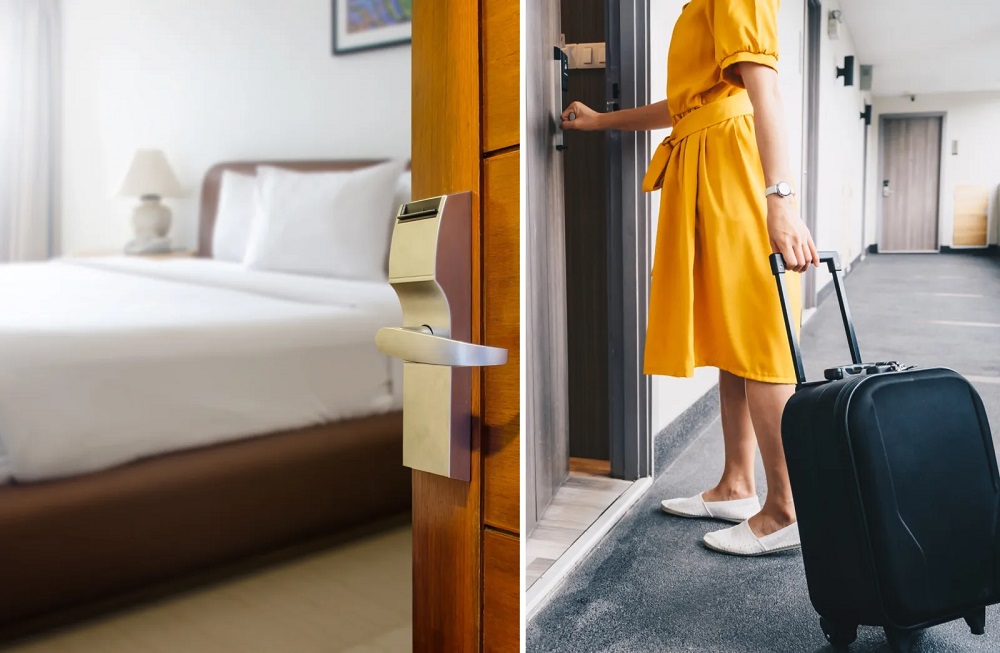
Traditional physical keys are largely a thing of the past in high-quality establishments. Modern properties use encrypted electronic key card systems or digital smartphone keys.
- Elevator Access Control: In multi-story properties, key cards are often programmed to grant elevator access strictly to the guest’s assigned floor and common amenity areas, preventing unregistered visitors from wandering guest corridors.
- Automated Expiration and Deactivation: Key cards automatically expire at checkout or can be instantly rendered useless if lost, eliminating the security risks associated with stolen physical keys.
- Audit Trail Capabilities: Lock software logs every entry attempt, providing a verifiable record in the event of an reported item disappearance or unauthorized entry attempt.
Perimeter Surveillance and Monitoring
Surveillance systems in quality hotels are strategically arranged to respect guest privacy while maintaining complete coverage of public zones. High-definition Closed-Circuit Television (CCTV) cameras continuously record entryways, lobbies, parking structures, service corridors, and elevator banks.
These camera feeds are monitored around the clock by dedicated security teams trained to identify suspicious behaviors, unauthorized loitering, or safety hazards before problems escalate. Furthermore, exterior grounds, walkways, and parking lots are brightly lit with modern LED lighting to deter criminal activity and ensure guests feel secure when returning late at night.
Comprehensive Fire Safety and Emergency Engineering
Fire prevention and response systems represent some of the most strictly regulated and carefully maintained safety components in the hotel industry. Quality hotels routinely exceed minimum local building codes to ensure full structural preparedness.
Early Detection and Automated Suppression
Advanced engineering ensures that a fire threat is detected and addressed within seconds.
- In-Room Smoke and Thermal Detectors: Highly sensitive optical detectors are installed in every guest room, hallway, and storage facility to instantly alert central security monitors at the first sign of smoke or abnormal heat rises.
- Automated Sprinkler Networks: High-pressure fire sprinkler systems are embedded into ceilings across all rooms and public spaces, designed to activate individually over localized heat sources to suppress flames automatically.
- Pressurized Stairwells and Fire Doors: Emergency escape routes use self-closing, fire-rated doors and pressurized stairwells that keep smoke out, allowing occupants to evacuate safely.
Regular testing and professional maintenance schedules ensure all suppression equipment, alarms, and emergency backup lighting remain fully functional at all times.
Guest Room Privacy and Personal Security
A hotel room serves as a guest’s temporary home, demanding high standards of physical safety and personal privacy. Quality hotels integrate multiple mechanical and procedural safeguards into every room design.
Mechanical Room Safeguards
Every guest room door is equipped with primary and secondary locking mechanisms. Electronic deadbolts automatically engage when the door shuts, while heavy-duty secondary interior latches or safety chains give guests full control over physical entry while inside. Doors also feature wide-angle optical peepholes or digital door viewers, enabling occupants to verify callers before opening.
Additionally, in-room electronic safes are standard amenities. These safes allow guests to program personal digital codes to secure passports, laptops, cash, and jewelry.
Discretion and Privacy Protocols
Staff behavior plays a crucial role in maintaining personal security. Hotel staff undergo strict training regarding guest discretion:
- Discreet Registration: Front desk agents are trained never to announce a guest’s room number aloud during check-in; instead, they write the number down or point to it on a key folder to prevent nearby strangers from overhearing.
- Information Protection: Employees are strictly prohibited from confirming a guest’s presence on the property or releasing room details to outside callers without explicit authorization.
- Verification for Duplicate Keys: Front desk personnel must verify photo identification before issuing replacement key cards to anyone claiming to be locked out.
Staff Training and Incident Management
Even the most advanced security technology depends on well-trained humans to manage unexpected situations effectively. Quality hotels invest continuously in employee education and crisis response planning.
By embedding safety protocols into daily operations, hotel management ensures that every employee acts as a watchful guardian of guest well-being.
Sanitation, Health, and Environmental Hygiene
Safety extends beyond physical security to encompass health and environmental hygiene. Quality hotels adhere to strict sanitation standards across all operational areas to prevent disease transmission and foodborne illnesses.
High-touch public surfaces such as elevator buttons, door handles, handrails, and front desk counters are disinfected frequently throughout the day using hospital-grade cleaning agents. Guest rooms undergo thorough turnover protocols, including laundering linens at high temperatures to eliminate pathogens.
In hotel kitchens and dining venues, rigorous Hazard Analysis and Critical Control Point (HACCP) guidelines govern food storage, preparation, and thermal regulation to protect guests from food safety risks.
Frequently Asked Questions
What should I do if my hotel room key card suddenly stops working?
Key card failures are often caused by magnetic deactivation from close contact with cell phones or magnets. Return to the front desk and present government-issued photo identification so staff can re-encode a key card after verifying your identity against the registered reservation.
How do quality hotels protect guest wireless networks from cyber threats?
Quality hotels isolate guest Wi-Fi networks from administrative business systems using enterprise firewalls, network segmentation, and secure access gateways. Guests are also encouraged to use secure, password-protected networks or private connections when accessing sensitive financial data.
Are hotel security cameras active inside guest corridors?
Yes, security cameras are typically installed in public corridors, elevator lobbies, and emergency stairwells to track movement and ensure hallway safety. However, cameras are strictly prohibited inside guest rooms, restrooms, or changing areas to protect personal privacy.
How do hotels assist guests with physical disabilities during an emergency evacuation?
Hotels maintain an active register of guests requiring special assistance during check-in. During an emergency, local emergency services and designated hotel evacuation teams prioritize these guest rooms, utilizing localized refuge areas and specialized evacuation chairs in stairwells.
What measures are taken to ensure food safety in hotel dining facilities?
Hotels implement strict commercial kitchen hygiene practices, including continuous cold-chain temperature monitoring, separate preparation stations to avoid cross-contamination, mandatory staff handwashing schedules, and periodic health authority inspections.
How can a guest verify if a hotel room safe is secure?
In-room electronic safes allow guests to set a custom four-to-six-digit code that overrides previous entries. Before storing valuables, test the safe while it is empty by closing it, locking it with your selected code, and confirming it unlocks smoothly.