

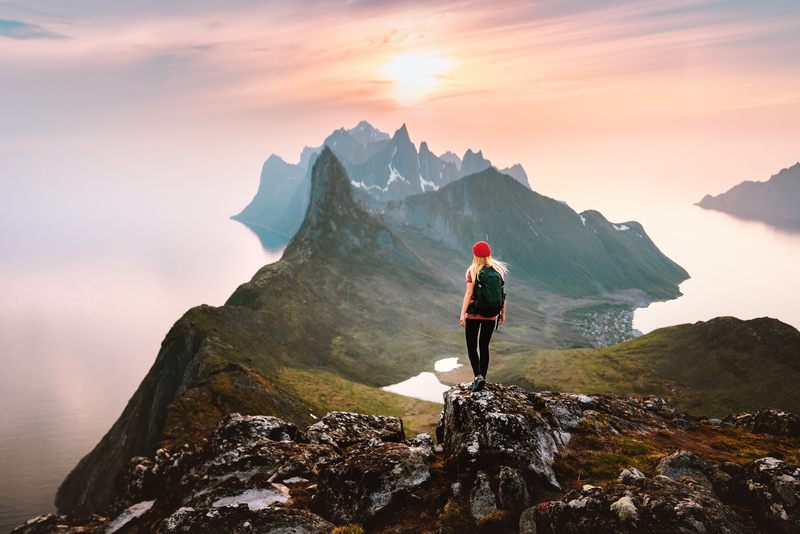
Embracing solo travel is one of the most rewarding ways to experience the world. Traveling independently gives you total control over your itinerary, builds self-reliance, and offers freedom that group trips rarely match. However, stepping out into unfamiliar places alone requires clear preparation, awareness, and smart decision-making.
Navigating foreign cities or quiet rural regions on your own does not mean taking unnecessary risks. By combining thorough pre-trip preparation with practical safety habits, you can explore new destinations with total confidence.
Pre-Trip Preparation and Essential Planning
Confidence begins long before you pack your bag. Grounding your trip in solid research and logistics removes most of the anxiety associated with navigating unknown territory alone.
Choosing the Right Destination
For your first solo journey, select a location known for reliable infrastructure, low crime rates, and clear public transportation. Destinations with well-established tourist routes, friendly locals, and accessible emergency services allow you to ease into independent travel without overwhelming logistical hurdles.
Securing Documents and Digital Backups
Losing identification or credit cards in a foreign country can disrupt an otherwise smooth trip. Taking structured steps to protect your credentials mitigates potential problems:
- Digital Copies: Scan your passport, driver’s license, travel insurance policy, and visa documents. Store encrypted copies in secure cloud storage and email copies to yourself.
- Physical Duplicates: Keep a paper copy of your passport photo page and key medical information stored separately from your actual passport.
- Emergency Contacts: Keep a physical index card in your daypack listing your country’s local embassy phone number, your insurance provider’s hotline, and your trusted personal contacts.
Creating an Information Trail
Never leave for a solo journey without sharing your detailed plans. Provide a trusted friend or family member with your full flight itinerary, accommodation addresses, and planned excursions. Establish a simple check-in routine—such as sending a quick text message every morning or evening. If you fail to check in within a reasonable timeframe, your contact will know precisely where to start looking.
On-the-Ground Safety Habits
Once you arrive at your destination, staying safe boils down to situational awareness, intuition, and proactive security practices.
Mastering Situational Awareness
Situational awareness means paying attention to your surroundings without letting paranoia take over.
Avoid walking through busy street markets or dark alleys with both earbuds in or your eyes glued to a smartphone map. When you need to check directions, step inside a store or cafe to review your phone safely. Walk with purpose, keep your head up, and maintain a calm, relaxed posture. Looking confident signals to potential thieves or scams that you are aware and in control.
Smart Accommodations Practices
Your hotel or hostel should serve as a secure sanctuary. Apply these room security protocols upon arrival:
- Check the Room: Before unpacking, verify that all window latches, balcony doors, and primary door locks function correctly.
- Use In-Room Safes: Store backup credit cards, cash reserves, original passports, and high-value electronics inside the safe when leaving for the day.
- Discreet Front Desk Interactions: If a staff member says your room number aloud during check-in, politely request that they write it down instead, preventing nearby strangers from hearing it.
- Secondary Door Locks: Utilize rubber doorstops or portable travel locks on your interior door while sleeping for an extra layer of mechanical security.
Managing Finances and Valuables
Carrying all your financial resources in one wallet or bag is a common mistake. Split your money across multiple locations. Keep one primary credit card and a small amount of local cash in your wallet, while securing your secondary debit card and emergency funds in a hidden neck pouch, money belt, or your room safe.
When withdrawing money, use automated teller machines located inside bank lobbies rather than standalone outdoor terminals, which are more susceptible to physical tampering and credit card skimming devices.
Building Confidence and Social Connections
Solo travel is rarely about being completely isolated. Managing social encounters wisely lets you connect with fascinating people while maintaining safe personal boundaries.
Establishing Firm Boundaries
Friendly encounters make solo travel memorable, but keeping healthy boundaries is essential. You do not owe strangers personal details about your life. If someone asks whether you are traveling alone, you can casually mention that you are meeting your spouse, partner, or friends shortly.
If a situation or conversation feels uncomfortable or aggressive, leave immediately. Trust your gut instincts without worrying about appearing polite.
Connecting with Other Travelers Safely
Meeting fellow travelers provides companionship and shared insights. Safe, structured ways to socialize include:
- Group Walking Tours: Joining a morning walking tour lets you meet other tourists while gaining local context from a professional guide.
- Social Hostels and Guesthouses: Common rooms, communal kitchens, and organized group dinners offer natural settings to strike up friendly conversations.
- Local Cooking or Craft Classes: Enrolling in day workshops connects you with travelers who share similar interests in a structured, safe setting.
Avoid sharing your specific room number or accommodation location with people you have just met, regardless of how friendly they seem.
Emergency Preparedness and Health Considerations
Unexpected events happen, but having an action plan transforms a potential crisis into a manageable event.
Comprehensive Travel Insurance
Never skip travel insurance when journeying alone. Ensure your policy covers emergency medical care, hospital transfers, trip cancellations, lost luggage, and emergency evacuation. Know how to file a claim and keep your insurance membership details accessible at all times.
Health and Hygiene Hygiene Practices
Pack a compact personal first-aid kit containing basic medications, bandages, antiseptic wipes, rehydration salts, and necessary prescription medications in their original bottles. Research local tap water safety before drinking, and stick to hot, freshly prepared meals when eating street food in developing regions.
Frequently Asked Questions
What should I do if I lose my passport while traveling alone abroad?
Immediately contact the nearest embassy or consulate of your home country to report the loss. They will help you secure an emergency travel document. Having digital copies of your passport and secondary identification ready speeds up this process considerably.
Is solo travel safe for first-time female or senior travelers?
Yes, solo travel can be safe for anyone when paired with appropriate preparation, destination selection, and situational awareness. Choosing destinations with strong safety reputations and well-developed tourism infrastructure helps ensure a secure experience.
How do I handle language barriers when traveling alone?
Download offline translation software on your mobile device, carry a small pocket phrasebook, and learn basic key phrases like hello, please, thank you, and help in the local language. Simple hand gestures and translation apps make basic communication easy.
What is the best way to avoid common travel scams?
Research the most frequent scams associated with your destination before you arrive. Be wary of unsolicited assistance at ticket machines, unmetered taxis, or strangers offering unexpected gifts or friendship in high-traffic tourist areas.
How can I manage feelings of loneliness while traveling by myself?
Loneliness is a normal part of independent travel. You can manage it by staying at social accommodations, joining guided group day tours, video calling friends and family back home, or taking a break in a comfortable cafe to read or journal.
Should I carry cash or rely entirely on cards when traveling solo?
It is best to maintain a balanced approach. Carry two different credit or debit cards for primary payments, but always keep a small reserve of local physical cash for small transactions, public transit, local markets, or places where electronic payment terminals are unavailable.