

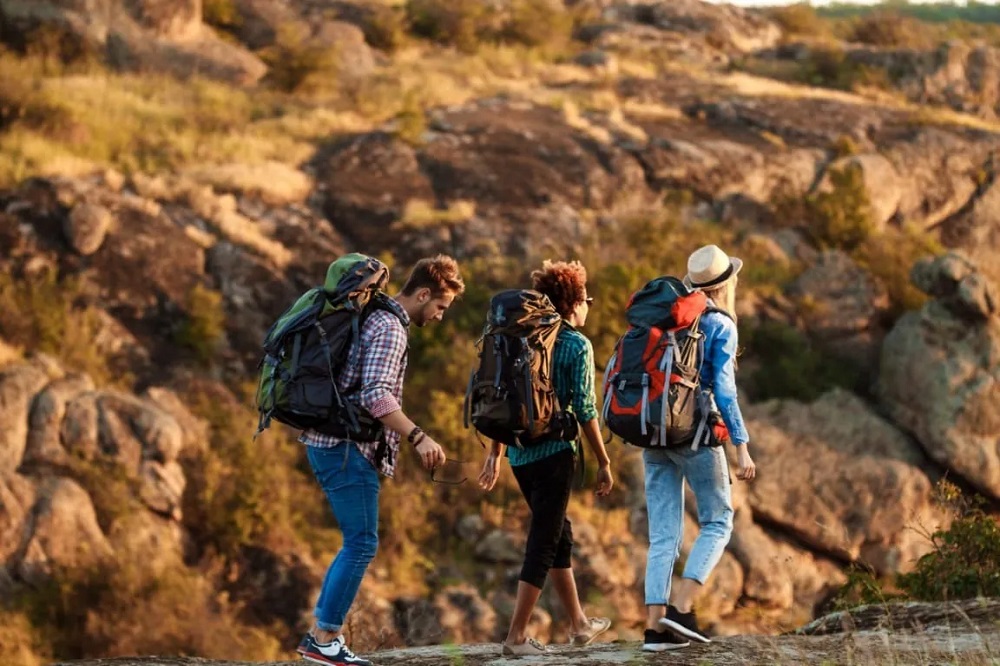
Travel is no longer just about sitting on a beach with an umbrella drink. For millions of modern travelers, a true vacation requires movement, exploration, and a dose of adrenaline. However, the definition of an adventure varies drastically from person to person. For one traveler, an ideal getaway involves summiting a high-altitude peak and sleeping in a bivouac. For another, it means taking a guided sea kayaking tour along a coastal fjord before returning to a cozy boutique hotel for a multi-course dinner.
The main reason many adventure trips fail to live up to expectations is a mismatch between the destination and the traveler’s actual style. Choosing a trip based solely on stunning social media photos often leads to physical exhaustion, unnecessary stress, or sheer boredom. To plan a journey that feels genuinely thrilling and rewarding, you must evaluate your physical limits, comfort requirements, and underlying motivations.
Identify Your Core Adventure Persona
Before browsing flight deals or looking at trip itineraries, you need to conduct an honest self-assessment. Adventure travel exists on a wide spectrum ranging from high-intensity wilderness survival to structured, comfort-oriented exploration. Understanding where you fall on this spectrum will narrow your options instantly.
The Adrenaline Seeker
Adrenaline seekers thrive on high-velocity activities, physical exposure, and intense challenges. They are driven by the thrill of pushing personal boundaries and testing their courage against extreme environments.
- Key Activities: Whitewater rafting, skydiving, downhill mountain biking, rock climbing, and high-altitude trekking.
- Ideal Environments: Steep mountain ranges, fast-flowing river canyons, and rugged oceanic cliffs.
- Matching Destinations: Queenstown in New Zealand, Interlaken in Switzerland, or the outdoor hubs of Moab, Utah.
The Endurance Explorer
Endurance explorers prefer long, sustained physical effort over quick spikes of adrenaline. They gain satisfaction from self-propelled travel over great distances, often valuing the journey and the rhythm of daily movement far more than the final destination.
- Key Activities: Multi-day backpack trips, long-distance cycling routes, trail running, and long-range thru-hiking.
- Ideal Environments: Extensive trail networks, wilderness corridors, and remote island chains.
- Matching Destinations: The Camino de Santiago in Spain, the Patagonia region of Chile and Argentina, or the Appalachian Trail in the United States.
The Wildlife and Nature Enthusiast
For this category of traveler, physical activity serves as a means to observe rare ecosystems, dynamic geological formations, and native fauna. The adventure comes from immersive observation and being deep within pristine natural environments.
- Key Activities: Deep-sea diving, tracking wildlife on foot, snorkeling in remote reefs, and sea kayaking through mangroves.
- Ideal Environments: National parks, marine reserves, primary rainforests, and polar regions.
- Matching Destinations: The Galapagos Islands, the Serengeti ecosystem in Tanzania, or the Svalbard archipelago in Norway.
The Cultural Adventurer
Cultural adventurers prefer trips where rugged landscapes intersect with vibrant local traditions. They seek challenging terrain, but their primary goal is to interact with indigenous communities, learn ancient skills, and experience living traditions in remote corners of the world.
- Key Activities: Trekking between remote highland villages, navigating ancient trade routes, and participating in traditional hunting or foraging trips.
- Ideal Environments: High plateaus, historic trade corridors, and isolated mountain valleys.
- Matching Destinations: The Sacred Valley and high Andes of Peru, the Ladakh region of India, or the remote villages of Georgia’s Svaneti region.
Assess Your Physical Readiness and Skills
Underestimating the physical demands of an adventure destination can transform a dream vacation into a dangerous situation. Be practical about your current fitness level, health limitations, and technical abilities before booking your trip.
Evaluate Current Conditioning versus Terrain
Cardiovascular endurance on a gym treadmill does not always translate to navigating steep, unstable talus slopes or carrying a heavy backpack at high elevations. Consider the following factors:
- Elevation: Elevation above eight thousand feet significantly impacts stamina, hydration, and sleep quality. If you live at sea level, plan extra buffer days to acclimatize before attempting strenuous ascents.
- Terrain Complexity: Rolling dirt paths require far less technical balance and joint stability than mud-slicked jungle roots, loose scree, or wet boulder fields.
- Daily Duration: Calculate the number of consecutive days you will spend performing physical tasks. A single four-hour hike on a Saturday is vastly different from six straight days of six-hour hikes.
Recognize Necessary Skill Sets
Certain adventure destinations require foundational technical knowledge to ensure safety. Ask yourself if you possess the required skills or if you need to hire an accredited local guide:
- Navigation: Can you read a topographic map and use a magnetic compass if your electronic devices fail or lose battery?
- Self-Rescue: Do you know how to handle basic wilderness first aid, set up shelter in high winds, or fix a broken chain on a remote mountain bike trail?
- Water Competency: Are you capable of swimming in turbulent open water, reading river currents, or righting a flipped kayak?
Determine Your Required Comfort Level
Adventure does not require suffering. A common misconception in travel planning is that authentic exploration requires sleeping on hard ground and eating freeze-dried meals. In reality, modern adventure travel caters to every comfort preference.
Primitive and Backcountry Living
This style involves carrying all necessary gear, pitching tents, filtering water from natural streams, and dealing with variable weather without modern amenities. It offers total immersion in nature and maximum solitude, but requires high self-reliance.
Hut-to-Hut and Village-Based Trekking
This middle-ground approach allows travelers to spend their days covering challenging, remote terrain while sleeping under a solid roof at night. European alpine networks, such as those along the Tour du Mont Blanc, offer comfortable mountain lodges with hot meals and warm beds, eliminating the need to carry heavy camping gear.
Soft Adventure and Luxury Outposts
For travelers who prefer physical exertion during the day combined with premium comfort at night, soft adventure is ideal. You can spend seven hours paddling through coastal waters or mountain biking across desert tracks, then return to a luxury safari lodge or eco-resort complete with private showers, fine dining, and massage therapy.
Evaluate Logistics, Risk, and Seasonal Timing
Once you narrow down potential destinations based on travel style and comfort preferences, you must evaluate practical logistics to ensure the trip goes smoothly.
Seasonal Factors and Microclimates
Weather can drastically change an adventure destination. A region famous for serene alpine hiking in July may be locked in hazardous snowpack through early June. Similarly, tropical destinations experience monsoon seasons that turn unpaved roads into impassable mud tracks and make river navigation dangerous. Always research the specific seasonal conditions for your exact activity window rather than relying on general countrywide averages.
Infrastructure and Emergency Access
Consider how remote the destination actually is and what safety nets are available. If an injury occurs on a trail, how easily can evacuation teams reach you? Regions with established mountain rescue services and nearby medical facilities offer a safety layer that remote, developing regions lack. Always purchase travel insurance that specifically covers high-risk activities and search-and-rescue evacuation if you plan to travel off the grid.
Match Style to Geography
To clarify how these principles apply in practice, review how different regions align with specific adventure travel profiles
Finalize Your Decision Framework
To land on the absolute best location for your next trip, run your short list of destinations through a final screening process:
- Define your primary goal: Decide whether you want physical endurance, high adrenaline, deep nature, or cultural connection.
- Audit your fitness level: Select a trip that challenges you without exceeding your current physical limits or technical skills.
- Choose your sleeping preferences: Select a lodging style that matches how well you want to sleep and recover each night.
- Check seasonal conditions: Confirm that your vacation dates match the optimal seasonal window for your chosen outdoor activities.
- Verify safety needs: Secure appropriate travel insurance, arrange local guides if necessary, and pack equipment suited for the terrain.
By aligning your destination choice with your personal travel style, you avoid costly planning mistakes and create an unforgettable journey filled with exciting experiences tailored precisely to your preferences.
Frequently Asked Questions
How far in advance should I book a specialized adventure travel trip?
Specialized adventure trips often require booking six to twelve months in advance. Many popular multi-day trekking routes, such as the Inca Trail or the Milford Track, restrict access via strict daily permit limits that sell out fast. Additionally, top-rated local guides, specialized gear rentals, and boutique eco-lodges in remote regions have limited capacity compared to traditional city hotels.
Is high-altitude training necessary before going on a mountain trek?
If your destination sits above eight thousand feet, pre-trip preparation is highly beneficial. While true altitude acclimatization only happens when you arrive at elevation, building strong cardiovascular endurance and leg strength beforehand helps your body handle oxygen deprivation much better. Incorporating aerobic training, stair climbing, and weighted backpack hikes into your routine helps prepare your muscular system for the strain.
Should I hire an independent local guide or join an organized group tour?
Deciding between an independent guide and a group tour depends on your comfort with logistics and social preferences. Hiring a private local guide gives you complete control over your pace, daily itinerary, and privacy, while directly supporting the local economy. Group tours handle all transportation, permits, and meal logistics for you, making them a great option for solo travelers who want built-in companionship and lower organization stress.
How do I accurately estimate the difficulty rating of a trail or activity?
Do not rely solely on general labels like moderate or difficult, as these terms are subjective. Instead, analyze objective data points: daily distance, total elevation gain and loss, maximum altitude, and terrain descriptions. Cross-reference official route information with recent trip reports from other travelers to get an accurate picture of current ground conditions and physical demands.
What essential gear should I never rent locally for an adventure trip?
While you can easily rent large, bulky gear like tents, sleeping bags, ice axes, or kayaks at your destination, you should always bring your own footwear and primary apparel. Hiking boots or trail running shoes must be thoroughly broken in ahead of time to prevent severe blisters and injuries. Personal layers, such as high-quality waterproof jackets and moisture-wicking base layers, should also be fitted to your body before you depart.
How can I make sure my adventure trip supports sustainable tourism?
Look for tour operators and outfitters that follow Leave No Trace guidelines, employ local guides at fair living wages, and actively contribute to regional conservation projects. Choosing small-scale, locally owned accommodations over international chains helps ensure your travel spending directly supports the host community. Additionally, stick strictly to established trails to prevent soil erosion and keep a respectful distance from native wildlife.