

For decades, the concept of adventure travel evoked images of extreme endurance tests. It meant scaling sheer rock faces, trekking through dense jungles with heavy backpacks, or sleeping in freezing tents on remote mountains. While these extreme activities still have a devoted following, a massive shift has reshaped the global tourism industry. Today, millions of travelers seek meaningful outdoor experiences that do not require intense physical conditioning, specialized technical skills, or extreme discomfort.
This shifting movement is known as soft adventure travel. It represents a balanced approach to exploration, combining outdoor engagement, cultural immersion, and physical activity with comfort, safety, and accessibility. Whether navigating a gentle coastal trail, kayaking down a calm river, or riding an electric bike through vineyard-draped hills, soft adventure allows people of all ages and fitness levels to experience the natural world without risking life or limb.
Defining Soft Adventure Travel
To understand the rise of soft adventure, it helps to distinguish it from traditional hard adventure. Hard adventure typically involves high physical risk, strenuous exertion, and specialized training. Examples include mountaineering, extreme whitewater kayaking, backcountry survival expeditions, and high-altitude trekking.
In contrast, soft adventure focuses on low-risk outdoor activities that are accessible to virtually anyone with moderate mobility. It emphasizes discovery, connection, and enjoyment over raw endurance or risk-taking.
Key characteristics of soft adventure include:
- Low Physical Risk: Activities are managed by experienced guides or conducted on well-maintained paths, minimizing danger.
- Accessible Skill Levels: Beginners can participate immediately with minimal prior instruction.
- Comfort and Amenities: Accommodations often include comfortable lodge stays, boutique hotels, or glamping sites rather than basic tents.
- Cultural and Culinary Focus: Excursions often pair outdoor recreation with local dining, historic tours, and community visits.
- Flexibility: Itinerary paces can be adapted to suit varied physical capabilities within a single group.
By removing the intimidation factor, soft adventure opens up nature to a far wider demographic, including families, active seniors, solo travelers, and multi-generational groups.
Key Drivers Behind the Growth of Soft Adventure
Several cultural, economic, and technological factors have fueled the global surge in soft adventure tourism over recent years.
The Shift Toward Wellness and Experiential Travel
Modern travelers increasingly prioritize experiences over material goods. Furthermore, wellness is no longer viewed merely as spa visits or meditation retreats; it encompasses time spent outdoors in clean air and natural light. Soft adventure fits seamlessly into this modern wellness philosophy. Walking through ancient forests, paddling across calm lakes, or cycling along quiet rural roads provides physical movement without exhausting the body, offering mental rejuvenation alongside physical benefits.
Technological Advancements and Innovation
Technology has made outdoor exploration significantly more approachable. Electric bicycles (e-bikes) are a prime example. E-bikes allow travelers of varying fitness levels to ride together, flattening steep hills and extending daily distance ranges without overexertion. Similarly, lightweight modern gear, high-precision GPS navigation apps, and advanced weather forecasting tools allow travelers to feel secure when venturing outdoors.
Changing Demographic Profiles
The demand for accessible adventure is heavily driven by shifting demographics. Active retirees with disposable income and available time want to stay healthy and travel, but they may avoid high-impact sports. At the same time, young families seek outdoor activities that keep children engaged without overwhelming them. Soft adventure accommodates both ends of the spectrum, offering shared experiences across generations.
Popular Soft Adventure Activities Across the World
Soft adventure covers a wide range of activities tailored to different terrains, climates, and interests. Here are some of the most popular activities taking center stage in global tourism.
Guided Day Hiking and Nature Walking
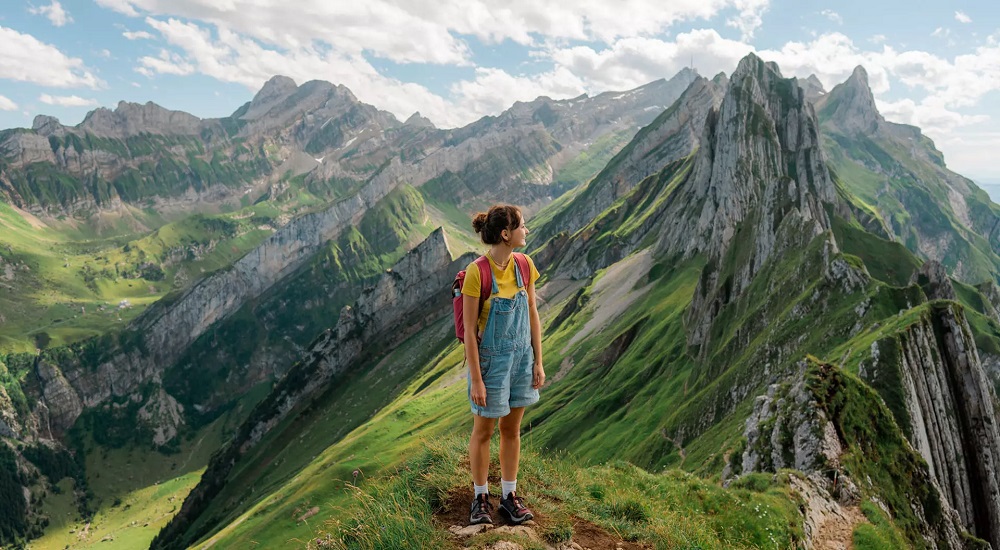
Unlike multi-day wilderness backpacking trips, soft adventure hiking focuses on well-marked, scenic day trails. Hikers carry lightweight daypacks containing water and essentials while returning to a comfortable inn or lodge every evening. Destinations like the Swiss Alps, the coastal paths of Portugal, and the national parks of the American Southwest offer world-class day hiking infrastructure where travelers can enjoy dramatic landscapes without hauling heavy camping equipment.
E-Bike and Leisure Cycling Tours
Cycling trips have been transformed by e-bikes. Travelers can pedal through regions like Tuscany, the Loire Valley, or the South Island of New Zealand at their own pace. The electric assistance compensates for varying fitness levels, making group cycling tours enjoyable for everyone regardless of individual athletic ability.
Flatwater Kayaking, Canoeing, and Stand-Up Paddleboarding
Water adventures do not require turbulent rapids to be exciting. Paddling across calm fjord waters in Norway, navigating gentle river bends in Vermont, or exploring mangrove forests in Costa Rica provides close encounters with local wildlife and marine environments in a serene setting.
Wildlife Safaris and Bird Watching
Observing animals in their natural habitats remains one of the most compelling soft adventure pursuits. Guided wildlife drives in Southern Africa, boat tours through the Galapagos Islands, or bear-watching trips in Alaska deliver thrilling animal encounters from the safety of specialized vehicles or vessels, led by expert naturalists.
Designing a Soft Adventure Itinerary: Best Practices
Planning a soft adventure trip requires balancing activity and relaxation. To create a rewarding itinerary, consider the following strategies:
- Assess Physical Preparation Realistically: Choose routes and activity duration that match your current physical condition rather than an idealized goal.
- Prioritize Expert Local Guidance: Professional guides handle logistics, safety, and local navigation, allowing you to focus entirely on the experience.
- Build in Buffer Time: Avoid packing every hour with activities. Schedule open afternoons to relax, explore local towns, or enjoy hotel amenities.
- Invest in Proper Apparel: Comfort starts with gear. Sturdy footwear, moisture-wicking layers, and dependable rain protection ensure weather changes do not disrupt the trip.
The Future of Soft Adventure Travel
Soft adventure is more than a brief trend; it represents a fundamental shift in how people approach vacationing. As urbanization increases, the human need to reconnect with nature grows stronger. Soft adventure provides a sustainable, healthy, and enriching way to satisfy that need without demanding elite athleticism or extreme risk.
By marrying outdoor activity with comfort, safety, and cultural depth, soft adventure empowers travelers of all ages to explore the world with confidence and curiosity.
Frequently Asked Questions
What safety precautions should beginners take before starting a soft adventure trip?
Beginners should thoroughly research their destination, check weather conditions, inform someone of their route, pack basic safety essentials like a first-aid kit and navigation tools, and strictly follow the guidance of certified local guides.
How do I know if an activity is classified as soft or hard adventure?
Look at the level of physical exertion required, the degree of risk involved, and the necessity of previous technical skills. Soft adventure generally offers structured safety measures, professional guides, comfortable accommodations, and lower physical demands.
Is specialized equipment required for soft adventure travel?
In most cases, specialized equipment is provided by the tour operator or rental agency. Participants usually only need proper outdoor clothing, reliable footwear, sunscreen, and a durable daypack.
Can travelers with minor physical limitations participate in soft adventure trips?
Yes, many soft adventure itineraries offer customizable activity options or alternative arrangements, such as e-bike assistance or modified walking distances, allowing individuals with minor physical constraints to participate comfortably.
How does soft adventure travel contribute to local economies compared to traditional mass tourism?
Soft adventure travel frequently utilizes local guides, independent lodge owners, small transport providers, and regional restaurants. This keeps tourism revenue directly within rural and gateway communities rather than concentrating it in large resort complexes.
What is the average group size for guided soft adventure tours?
Guided soft adventure trips typically maintain small group sizes, usually between 8 and 16 participants. This ensures personalized attention from guides, enhances safety management, and minimizes environmental impacts on local trails.