

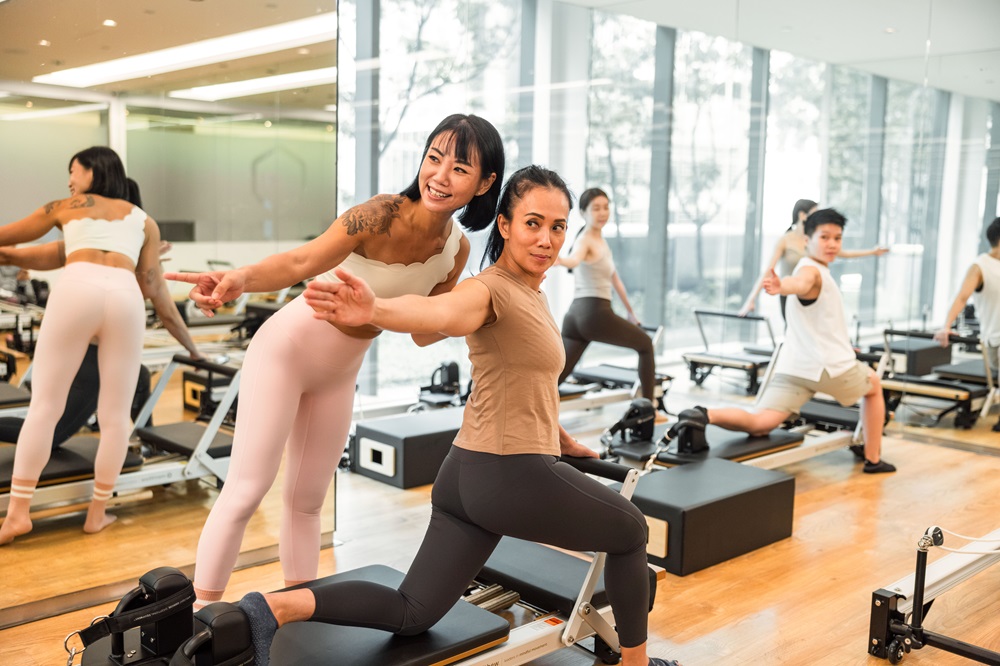
Travel can be energising, but it can also disrupt routines fast. Long flights, irregular meals, hotel beds, time zone changes, and packed schedules all affect how your body feels and performs. For business travellers, short term visitors, and even locals who travel often, structured workout classes offer a practical way to stay active without needing complex planning or long training sessions.
Singapore is a global travel hub, which means many people move in and out of the city weekly or monthly. The challenge is not motivation. It is maintaining fitness momentum while adapting to changing schedules and physical fatigue. The right class strategy helps you stay strong, mobile, and energised without adding stress.
Why travel disrupts fitness more than people expect
Even experienced travellers underestimate how much movement quality and recovery are affected by frequent travel.
Long periods of sitting
Flights, airport waiting time, and car rides place the body in fixed positions for hours. This leads to:
-
Tight hip flexors and hamstrings
-
Reduced spinal mobility
-
Shoulder and neck stiffness
Even one long flight can noticeably change how your body feels during training.
Sleep disruption and time zones
Sleep quality often declines when travelling. Poor sleep affects:
-
Coordination and balance
-
Reaction time
-
Recovery speed
-
Perceived effort during exercise
This makes unstructured or overly intense workouts harder to complete safely.
Inconsistent nutrition and hydration
Eating at odd hours, relying on convenience food, and dehydration from flying all influence energy levels and training performance.
Workout classes help because they offer a defined structure that adapts well to these fluctuations.
Why workout classes work better than solo training when travelling
Travelling removes many of the cues that support consistency. Classes replace those cues with structure.
No planning required
When travelling, decision fatigue is high. Choosing exercises, sets, and duration becomes another task.
Classes solve this by:
-
Setting a fixed start and end time
-
Providing guided instruction
-
Removing equipment setup and planning
You show up and follow along, even on low energy days.
Time efficiency matters more on trips
Travel days are unpredictable. Short, focused sessions fit more easily into busy schedules than long gym routines.
Typical benefits include:
-
Better use of limited free time
-
Reduced mental resistance to training
-
Easier commitment even during short stays
Choosing the right class after a long flight
Not every session suits a post flight body. Smart selection prevents soreness and injury.
First day back in Singapore
After a long haul flight, the body needs circulation and gentle movement before intensity.
Good class choices include:
-
Mobility-focused sessions
-
Low to moderate intensity conditioning
-
Core stability and posture work
These help restore movement without overwhelming a fatigued system.
When to return to higher intensity
Once sleep and hydration improve, usually within a day or two, more demanding sessions become appropriate.
Signs you are ready:
-
Reduced stiffness
-
Stable energy levels
-
Normal coordination and balance
Jumping straight into very intense sessions too soon often backfires.
Managing jet lag through smart training
Exercise can help regulate circadian rhythm when used strategically.
Training at the right time
Light to moderate training during local daytime helps signal your body to adapt to the new schedule.
Helpful approaches include:
-
Morning sessions after eastward travel
-
Late afternoon sessions after westward travel
-
Avoiding intense late-night workouts that disrupt sleep
Intensity control matters
Moderate intensity is often more effective than extreme effort when adjusting to time changes. It promotes alertness without overstimulating the nervous system.
Staying active during short business trips
Many business trips last only a few days. The goal is maintenance, not peak performance.
The travel minimum routine
During short stays, aim for:
-
2 classes per week
-
One strength or full-body session
-
One mobility or conditioning session
This preserves strength and movement quality without demanding full recovery.
Why this works
Maintaining a baseline prevents the need to restart fitness habits after returning. Momentum stays intact.
Using classes to reduce travel related aches
Travel stress often shows up as discomfort rather than fatigue.
Common travel related complaints
-
Tight hips and lower back
-
Neck stiffness from laptop use
-
Shoulder discomfort from carrying bags
Mobility and strength based classes address these issues by restoring balance and circulation.
Posture correction through guided movement
Classes that emphasise alignment help counteract rounded shoulders and forward head posture common during travel.
Over time, this leads to:
-
Less daily discomfort
-
Better breathing
-
Improved confidence and comfort
Nutrition and hydration around classes while travelling
Food and fluids affect how you feel in class more when travelling.
Simple hydration strategies
-
Start hydrating early in the day
-
Drink small amounts regularly
-
Include electrolytes if flying frequently
Dehydration increases perceived effort and stiffness.
Eating before classes on travel days
Keep meals simple and familiar.
-
Avoid heavy or very rich foods close to training
-
Choose easily digestible options
-
Eat smaller portions if training soon after arrival
This reduces stomach discomfort and supports energy levels.
Combining classes with sightseeing and walking
Travel often involves more walking than usual. Classes should complement this, not compete with it.
Adjusting intensity on high step count days
If you walk extensively:
-
Choose lower impact classes
-
Focus on upper body or core
-
Prioritise mobility and recovery sessions
This keeps training supportive rather than exhausting.
Using classes to enhance travel enjoyment
Better mobility and strength make sightseeing more enjoyable. Less soreness means more energy for exploring.
Long term travel and fitness sustainability
For frequent travellers, the goal is not perfect weeks. It is staying active across months.
Avoiding the stop start cycle
Many travellers train hard when home and stop completely on trips. This leads to repeated restarts.
Classes help maintain continuity because:
-
They adapt to different energy levels
-
They fit short time windows
-
They reduce mental friction
Building a travel friendly mindset
View training during travel as maintenance, not a test of discipline. Showing up consistently matters more than intensity.
The psychological benefit of routine while travelling
Travel can feel disorienting. Familiar routines provide stability.
Training as an anchor habit
Attending classes creates a sense of normalcy. This reduces stress and improves mood, especially during busy or demanding trips.
Benefits include:
-
Better focus at work
-
Improved sleep quality
-
Increased sense of control
Integrating fitness into a travel heavy lifestyle
Fitness should support travel, not restrict it.
Choose training that:
-
Fits varied schedules
-
Supports recovery
-
Enhances energy rather than draining it
If you travel frequently and want access to a wide range of guided sessions that support strength, conditioning, and mobility, you can explore options at True Fitness Singapore and plan your training around your trips instead of putting fitness on hold.
Real life FAQ
Should I train on the same day I land in Singapore?
Light movement or a gentle class can help circulation and stiffness. Avoid very intense sessions until sleep and hydration improve.
How many classes should I aim for when travelling?
Two sessions per week are enough to maintain fitness. If energy allows, a third lighter session can help recovery.
What if I feel exhausted but still want to move?
Choose mobility or low intensity classes. Movement often improves energy without adding stress.
Can training help reduce jet lag?
Yes. Well timed, moderate exercise helps reset circadian rhythm and improves sleep quality.
Is it okay to skip classes during very short trips?
Yes, but try to stay active through walking or light mobility. Resume classes smoothly when you return.
How do I avoid injury when training after travel?
Start at lower intensity, focus on form, and prioritise mobility. Give your body time to readjust.
Does frequent travel slow down fitness progress?
It can if training stops completely. Consistent maintenance through classes helps preserve progress over time.