

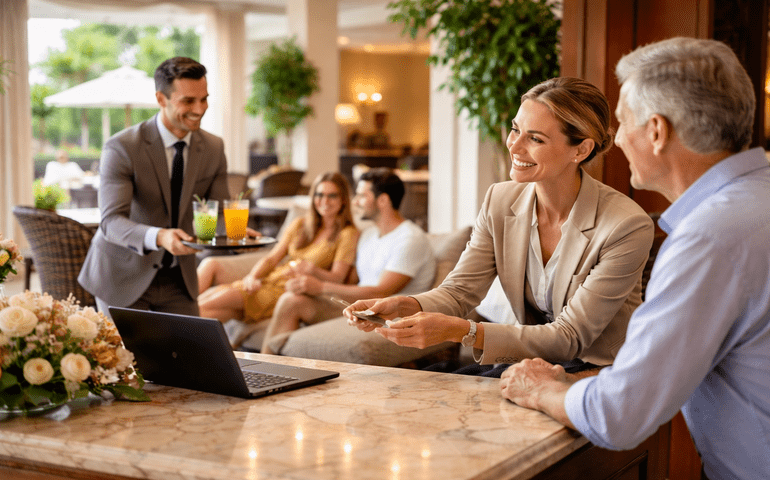
The global hospitality sector is undergoing a profound transformation driven by shifting consumer values, technological advancements, and a redefined concept of opulence. Luxury accommodation is no longer defined strictly by velvet drapes, crystal chandeliers, or expansive marble foyers. While high-end physical design remains important, affluent travelers now demand something far more nuanced: deep personalization, effortless technology integration, sustainable practices, and genuine cultural immersion.
Understanding how high-end accommodations are evolving requires examining the forces reshaping modern travel and the precise expectations of today’s discerning guests.
Redefining Modern Luxury: From Material Wealth to Experience
For decades, high-end hospitality relied on a standardized template of luxury. A five-star rating guaranteed fine dining restaurants, polished bellhops, plush linens, and a uniform standard of white-glove service regardless of whether the hotel was in New York, Paris, or Tokyo.
Today, that template is fading. Modern luxury consumers, particularly younger generations gaining financial momentum, prioritize personal fulfillment, emotional resonance, and time efficiency over passive materialism. Luxury is now evaluated by how a stay makes a guest feel rather than simply what physical amenities are placed in the room.
Key Drivers of the Shift
- Experiential Travel: Modern guests seek authentic local connections, exclusive access, and transformative moments rather than passive relaxation.
- Time as the Ultimate Asset: High-net-worth individuals buy the absence of friction. Every touchpoint must save time, eliminate stress, and run seamlessly.
- Shift Toward Well-Being: Travel is increasingly viewed as an investment in personal health, driving demand for holistic wellness programs, restorative sleep environments, and longevity-focused retreats.
Core Pillars Shaping the Future of High-End Hospitality
To maintain relevance and capture growing demand, premium properties are restructuring their operational models around several critical pillars.
1. Hyper-Personalization Through Data and Human Intuition
Generic service is the fastest way to lose a modern luxury guest. High-end travelers expect properties to anticipate their preferences before they even arrive at the front desk.
Leading accommodations utilize data analytics and advanced software to track guest history, preferred room temperatures, dietary restrictions, and pillow selections. However, physical properties understand that data alone is insufficient. The true differentiator is blending technological insight with intuitive human warmth—empowering staff to deliver unscripted, thoughtful gestures that make guests feel truly recognized.
2. Invisible Technology and Frictionless Stays
Technology in a luxury setting must serve a dual purpose: it must be powerful yet virtually invisible. High-end guests do not want complicated interfaces or confusing controls; they want effortless efficiency.
- Mobile Keyless Entry: Guests can bypass traditional check-in desks and enter their suites directly via secure smartphone integration.
- Smart Room Automation: Automated lighting, temperature control, and voice-activated systems adjust automatically based on guest habits and time of day.
- Discreet Digital Concierge Services: Messaging platforms allow guests to request private dining, yacht charters, or spa bookings instantly without making a phone call.
3. Sustainability as a Non-Negotiable Standard
Environmental stewardship has evolved from a niche preference into a primary marker of quality. Discerning travelers increasingly scrutinize the ecological footprint of their stays, favoring properties that practice genuine sustainability without compromising comfort.
Luxury accommodations are stepping away from superficial greenwashing and implementing systemic changes:
- Zero-Single-Use Plastics: Transitioning to high-end refillable bath products, glass water bottling plants, and biodegradable materials throughout the property.
- Sustainable Architecture and Energy: Utilizing solar microgrids, rainwater harvesting, and locally sourced building materials that complement the surrounding landscape.
- Farm-to-Table Gastronomy: Partnering directly with regional farmers, organic growers, and local fishermen to offer fresh, seasonal menus with low carbon footprints.
4. Holistic Wellness and Restoration Environments
The traditional hotel gym and basic massage treatment room no longer satisfy modern wellness expectations. Health-conscious travelers seek accommodations that support their mental, physical, and emotional well-being throughout their stay.
Properties are integrating advanced sleep optimization technologies, such as circadian lighting systems, specialized acoustic dampening, sound-frequency mattresses, and custom aromatherapy blends. Furthermore, wellness programming has expanded to include preventive health assessments, breathwork sessions, cryotherapy, and custom nutritional menus tailored by resident specialists.
Structural Evolution: Boutique Properties, Private Villas, and Branded Residences
The physical layout of luxury lodging is expanding beyond traditional city hotels and oceanfront resorts. Modern travelers frequently prioritize space, privacy, and seclusion, which has accelerated growth across alternative high-end formats.
These formats cater directly to guests who find massive, high-density hotels overwhelming and instead seek controlled environments where privacy is guaranteed.
Overcoming Challenges in the New Era of Hospitality
Meeting modern guest expectations presents distinct operational and financial challenges for hospitality brands. Maintaining a high level of customization requires significant ongoing investments in technology, staff training, and sustainable infrastructure.
Talent Attraction and Service Consistency
As service shifts from rigid script-following to intuitive hospitality, recruiting and retaining top-tier talent is critical. Frontline team members must possess high emotional intelligence, cultural awareness, and problem-solving skills to deliver memorable stays consistently across global locations.
Data Privacy Concerns
Hyper-personalization relies heavily on guest data collection. Luxury operators must maintain rigorous cybersecurity standards and strict data governance policies. Guests are willing to share personal preferences only when they are confident their privacy is fully protected.
Strategic Recommendations for Hospitality Operators
To remain competitive in an evolving marketplace, luxury lodging providers should consider the following strategic initiatives:
- Invest in Integrated Data Systems: Ensure booking engines, customer management platforms, and on-property operations share guest preference data seamlessly to eliminate repetitive questions.
- Prioritize Authenticity in Design: Partner with local craftsmen, architects, and artists to create properties that reflect the natural and cultural heritage of their specific geographic location.
- Elevate Wellness Standards: Move beyond basic fitness amenities by introducing dedicated sleep, recovery, and stress-reduction amenities into standard guest suites.
- Empower Frontline Staff: Shift management protocols away from rigid scripts, giving staff the authority and financial flexibility to resolve issues and surprise guests spontaneously.
Frequently Asked Questions
What defines modern luxury accommodation today?
Modern luxury accommodation is defined by seamless personalization, absolute privacy, high-end design, sustainable operations, and frictionless service that values the guest’s time above all else.
How are guest expectations changing in the high-end travel sector?
Guests are moving away from traditional displays of wealth and standardized opulence. Instead, they expect meaningful experiences, emotional connection, sustainable choices, advanced wellness facilities, and technology that simplifies their stay.
What role does technology play in modern luxury lodging?
Technology creates a smooth, hassle-free journey through features like digital keys, personalized room controls, dynamic messaging platforms, and predictive service tools, allowing staff to anticipate needs before they arise.
Why is sustainability important to affluent travelers?
Affluent travelers increasingly align their spending with their personal values. They seek out properties that demonstrate genuine environmental responsibility, eco-friendly architecture, energy efficiency, and support for local communities.
How do luxury hotels personalize the stay for each visitor?
Hotels utilize intelligent preference-tracking systems to remember room setups, dining preferences, and past requests, combining this data with well-trained staff who observe and adapt to individual guest habits in real time.
What is the difference between traditional luxury and experiential luxury?
Traditional luxury focuses primarily on physical assets, brand prestige, and standardized grandeur. Experiential luxury prioritizes unique local culture, personal growth, private access, health restoration, and unforgettable moments tailored to the individual traveler.
How are wellness trends influencing hotel design and services?
Hotels are integrating specialized sleep systems, purified air filtration, circadian lighting, organic dining options, and dedicated recovery amenities directly into suite designs to promote guest health and rejuvenation.